

Small Pellet Stoves
Small pellet stoves are a great alternative to traditional heating systems for homes. These stoves use solid combustible pellets made from compressed sawdust, recycled wood products, or biomass sources such as corn kernels or nuts.
Pellet stoves don't require chimneys and can be used in nearly any location. They are energy efficient and emit low emissions.
pellet stove for garage use an auger to feed the heating pellets into the combustion chamber and then burn them, generating heat. This process requires electric motors and a considerable amount of electricity to run. However, once the combustion process has begun the stove's energy use is reduced significantly.
Most pellet stoves have fans that circulate warm air generated through the process of combustion around the home. They use electricity to operate, but the amount they consume is typically quite low in comparison to other household appliances. Consider choosing an electric stove with low-power fans, an electronic control panel, and a digital display to reduce the power consumption. Make sure you place the stove correctly in your home for optimal heat distribution.
Cleaning the ash pan regularly as well as the exhaust venting system and ash pan can also help to reduce your pellet stove's electric consumption. This will keep the system running smoothly and avoid the accumulation of ash that can limit airflow and cause efficiency issues.
Also, make sure that you purchase top-quality heating fuel pellets that meet EPA standards. Lower-quality pellets can decrease the efficiency of your stove, which is why it's important to invest in high-quality fuel to get the most value for your money.
As a home heating source pellet stoves are far more efficient than gas or wood burning heaters and fireplaces. They are also cheaper to operate than the majority of whole-house heating systems and produce far fewer particulates than traditional wood-burning furnaces.
When comparing models, take into consideration the size of the hopper that is on the stove and the length of time it will run before you have to refill it. A hopper with a larger capacity will be able to hold more pellets and require refilling less frequently.
Make sure you have a backup plan in case of power outages, since most pellet stoves rely on electricity to run their automated features. The stove will continue to operate in the event of a battery or generator backup. However, the fan and automatic feed mechanisms will not work.
Environmentally Friendly
Pellet stoves are more adaptable than other heating methods because they don't require a fireplace. A small pellet stove can be easily installed in any area of the home where a vent pipe can allow smoke to vent out. Installing the stove must be handled by a professional to ensure your safety as well as the proper operation.
Another advantage of pellet stoves is that they don't emit much particulate matter, unlike wood burning fireplaces. Fine dust particles from the wood stove could cause issues for certain people, particularly children and those with asthma or respiratory problems. They can also be harmful for people suffering from allergies and bronchitis. Moreover carbon monoxide which is created by burning wood can cause death in extreme cases.
Pellet stoves, on the other hand, are famous for their low emissions of carbon dioxide and greenhouse gases. In addition the fuel they burn is made from recycled biomass like sawdust, agricultural wastes and other wastes. Yale Environment 360 reported that replacing coal with pellets can reduce CO2 emissions by 78%..
Pellet stoves are also more convenient to use than traditional coal or wood stoves. You can control the temperature of the room using a thermostat and you don't have to refill your fireplace with logs or wood pellets. A single "batch" of pellets could last for a long time dependent on the stove model and your house's heating requirements.
Some models, like the Englander Countryside Pellet Stove offer even more convenience by offering a thermostat-compatible hopper. This lets you set the desired temperature and then leave your home without having to refill the hopper again.
Pellet stoves rely on electricity to power their automated features such as the fan and pellet feeder, but this is minimal when compared to other appliances used in homes. While they can still function in the event of power failure but it is advisable to be prepared for a cold snap and have backup heating options. It is recommended to turn off the automatic ignition system, as well as the fans in the event of a power outage to avoid fire dangers.
Easy to operate
Pellet stoves are based on a simple concept that eliminates the mess and hassles associated with traditional wood-burning fireplaces. They burn small cylindrical pellets of sawdust that has been compressed, or other wood waste which are stored in a firebox, also known as a the hopper. The pellets are fed into the burner pot with an electric auger to produce flames which produce heat. The smoke from the flames flows through a heat exchanger that ejects the smoke and particulates out of your home, leaving clean indoor air.
Pellet stoves are powered by electricity, not gas or fuel oil. This includes the fans and pellet feed mechanisms. They are therefore prone to power failures and may need alternative heating arrangements while the generator is being repaired. Additionally, they can produce some noise due to the pellet feed mechanism although modern designs are designed to minimize these effects.
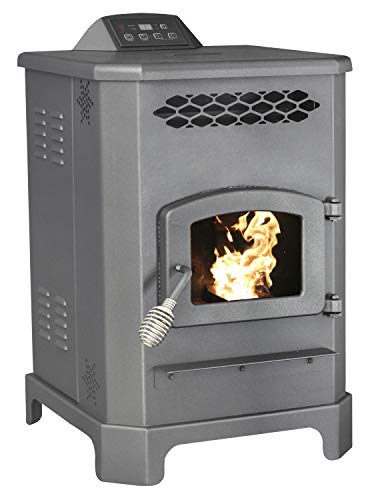
The US Stove R5824, which is a compact and affordable pellet stove, is a great example of a stove that can be used to heat your home. It features an high efficiency burner that's 80% efficient, and is EPA certified. It is one of the cheapest pellet stoves on the market. The R5824 has an easy-to-empty-ash pan as well as an air blower, as well as automated controls to make operations easy.
Most pellet stoves have self-regulating systems that use intelligent control to maintain the same temperature according to the desired. Depending on the model you choose it could even come with features that automatically notify you of the need to add more fuel and to clean up ash, taking the task of operating your stove.
Pellet stoves are also a great alternative to chimney systems. They can be installed without chimneys. They can be used in areas that are otherwise inaccessible to a wood-burning fireplace, such as bathrooms and basements.
Savings
Pellet stoves use wood as a fuel that is a great source of renewable energy. They burn less than half the carbon dioxide per BTU as furnace oil or gasoline. The fuel is made from recycled sawdust and other byproducts of lumber mills which would otherwise be sent to landfill. Some people make use of biomass pellets instead of wood chips, made from agricultural wastes like corn or switchgrass.
A heat exchanger in the stove collects the heat generated by the burning of the pellets. The blower circulates heated air throughout your living space, while the exhaust system releases combustion gases to the outside. This process is repeated on a regular basis to ensure that the desired temperature is maintained.
They can be your primary source of heating provided they're appropriately built for your home and are powered by high-quality pellets. They typically can heat rooms up to 1500 square. ft. You may have to purchase a separate heater if your home is very large.
Most models come with an electric ignition system as well as at minimum a thermostat, making them much easier to operate than gas or wood stoves. Some models are equipped with advanced features, such as remote control, smartphone connectivity or internet connectivity, and the ability to program settings.
The stoves made from wood don't require chimneys. This makes installation a simpler process and reduces costs. The stove is vented using an exhaust pipe that can be run either horizontally or vertically through the roof. The venting method also reduces maintenance as compared to the traditional chimney.
The fuel hopper in a small pellet stove has a large capacity, which allows it to operate for a longer duration before it needs to be replenished. In low power the stove is able to run for up to 30 hours without refills.
These stoves are convenient however they need some attention. You'll need to wash your heat exchanger, venting and the ash traps, as as fill and empty the hopper. Make sure the pellets are dry, as moisture could alter the performance and reduce the life span of the stove.